

The FRI Lease Trap: Why Signing a Commercial Lease Could Cost You Your Business
Author: Tristan Agland is a commercial property solicitor and litigator with Huttons Law.
You have just found the perfect premises for your growing business. The rent is negotiated, the location is ideal, and the landlord has sent over a standard “Full Repairing and Insuring” (FRI) lease. Eager to get the keys and start trading, many business owners glance at the document, assume it simply means they have to fix the odd broken window, and sign on the dotted line.
In our decades of commercial property practice at Huttons Law, we can confidently say this is one of the most dangerous, financially devastating assumptions a business owner can make.
An un-negotiated FRI lease is not a standard formality; it is a ticking financial time bomb. Here is what you are actually agreeing to, and how to protect your enterprise.
The Illusion of “Keeping it in Good Repair”
In a residential tenancy, you are usually only expected to return the property in the condition you found it, minus fair wear and tear.
Commercial law operates on an entirely different, much harsher set of rules. Under a standard FRI commercial lease, the tenant is legally obligated to keep the property “in good and substantial repair and condition.”
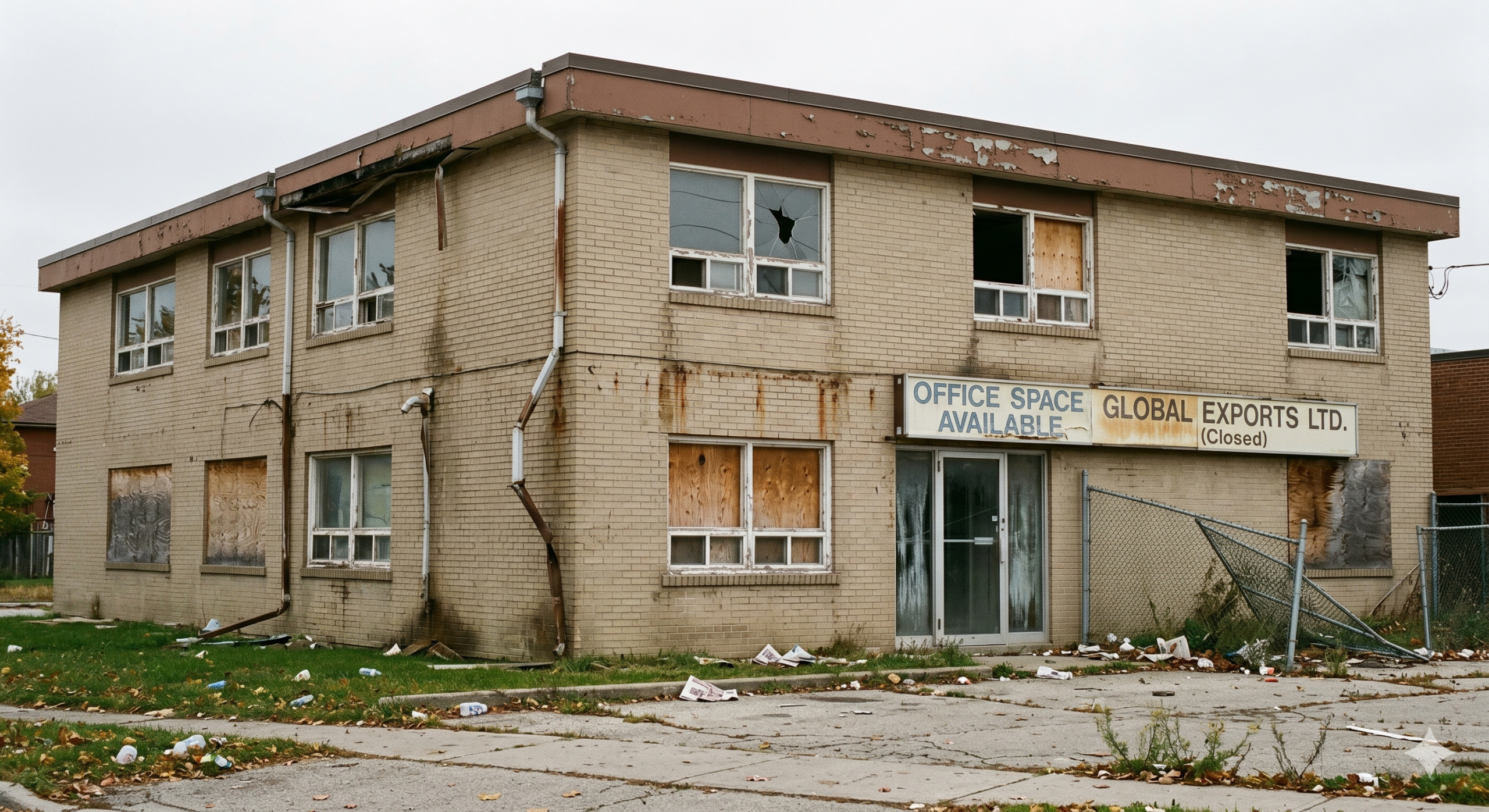
Crucially, if the building is already in a state of disrepair on the day you sign the lease, an FRI clause legally forces you to fix the landlord’s pre-existing problems. If the roof is leaking, the boiler is ancient, and the wiring is obsolete before you even move in, the standard FRI lease states that you must repair or replace them at your own cost before you hand the keys back.#
The Dilapidations Sting
This legal trap springs shut at the end of your tenancy in the form of a “Schedule of Dilapidations.”
This is a formal, legally enforceable list served by the landlord’s surveyor detailing every single repair, redecoration, and reinstatement you must carry out before leaving. It is not uncommon for a small to medium-sized business to be hit with a dilapidations bill ranging from £30,000 to over £100,000 for a property they only rented for five years.
If you have signed a personal guarantee alongside the lease (as many directors of new limited companies do), the landlord can pursue your personal assets—including your family home—to recover these costs.
Your First Shield: The Schedule of Condition or Written Agreement as to Condition
Fortunately, you do not have to accept the landlord’s first draft. As commercial property solicitors, our primary job is to strip the hidden liabilities out of your lease before you sign it.
The most effective weapon against an unfair FRI clause is a Schedule of Condition. This is a highly detailed, photographic, and written record of the exact state of the property on the day you take possession.
We use this schedule to legally amend the lease wording. Instead of agreeing to “keep the property in good repair,” we negotiate the clause to state that you are “under no obligation to return the property in any better state of repair or condition than is evidenced by the Schedule of Condition.”
This single, expertly negotiated sentence can save your business tens of thousands of pounds. However, it does not to be a comprehensive or formal document and can even be a written account in some instances. However, if you can complete a detailed photographic record at the point of completion and during the term then it will form a key part of your Defence should you ever need it.
Landlords: Protecting Your Asset Value
The flip side of this equation applies to commercial landlords. If your leases are poorly drafted, or if you fail to serve a Schedule of Dilapidations correctly and within strict timeframes, you could be left footing a massive repair bill when a tenant vacates, severely impacting your yield and asset value.
Conclusion
Never sign a commercial lease—or a personal guarantee—without specialist legal advice. Whether you are a tenant looking to mitigate risk, or a landlord looking to protect your investment, commercial property transactions require City-tier precision
Back To News & Insights